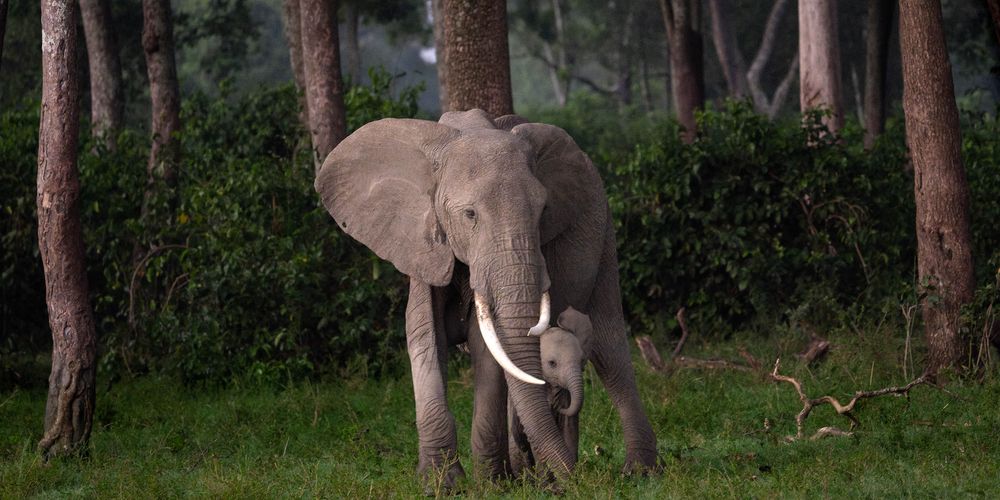
Everywhere we go, we preach one thing about wildlife photography: get low. Antarctica makes that harder, but we still want you as low as you can get. Sitting, kneeling, crouching and lying down at wildlife sites are prohibited, and so is setting your camera bag down on the beach. Two ways to get low on your feet:
- Hold it low. Lower your camera toward the ground at arm’s length and tilt the rear screen up to compose and focus.
- Use a monopod. The low-angle monopod technique in our Getting Down in Africa article was made for safari vehicles, and it works standing on a beach too.
Low angles aren’t the only adjustment for photographers heading south. You’ll shoot from three very different platforms — the ship’s deck, a bobbing Zodiac and a crowded beach — and your camera will travel from freezing air into a warm ship several times a day.
None of this gets in the way of great pictures. It just changes how you work. Here’s what to expect, stop by stop, and how to come home with the images you came for.
Three Platforms: Ship, Zodiac and Shore
The ship. Sea days are shooting days. Albatrosses, petrels, shearwaters and prions follow the vessel across open water, and the bird life thickens where we cross the Antarctic Convergence. Sunrise and sunset deliver the softest light and the longest shadows — ask the bridge for the times and be on deck.
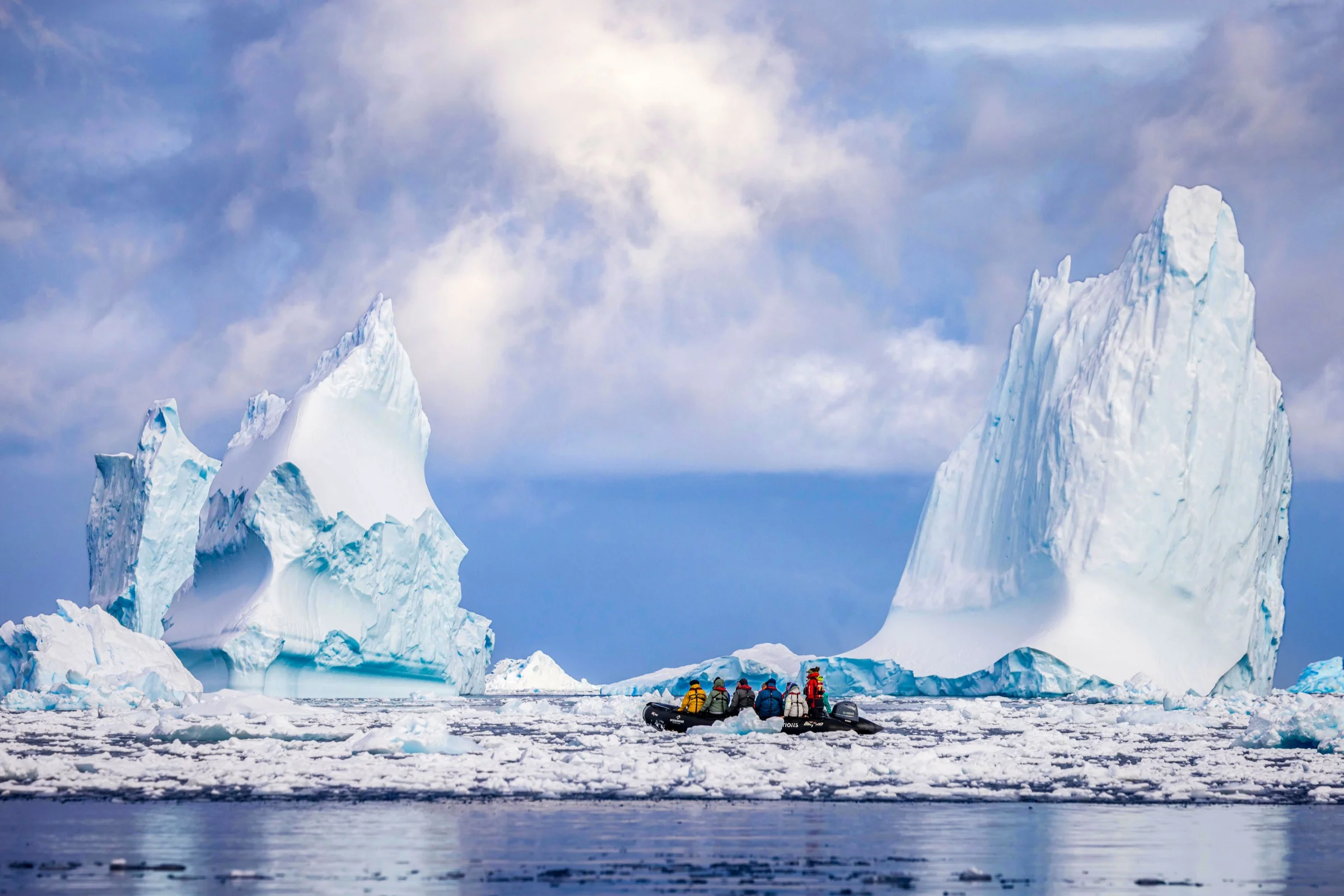
The Zodiac. Zodiacs carry us to every landing and on cruises along ice and coastline. Keep both hands free. A backpack is ideal, and you can hand your gear to the boat handlers as you step in or out. Sea spray is likely, so bring a dry bag or a solid rain cover for your camera bag. The perfect penguin shot can be erased by one random wave.
The shore. At most 100 passengers may be ashore from one ship at a time, and the Hondius carries up to 170 — so not everyone lands at once. Every minute ashore counts. Set your settings before the Zodiac touches the beach.
The Rules Ashore
Strict visitor rules protect Antarctica and South Georgia, and you’ll hear them again in the briefings on board. The ones that matter most to photographers:
- Keep at least 5 metres (about 15 feet) from wildlife — and 15–25 metres from fur seals where practicable. Animals always have the right of way.
- Don’t sit, kneel, crouch or lie down at wildlife sites. This is a bird flu precaution, and it applies to everyone. Get low with your arms or a monopod instead.
- Never put your gear on the ground or snow in wildlife areas. Pack a bag you can comfortably wear all day.
- Tripods are fine, but in South Georgia they must be cleaned between sites, along with walking poles and monopods.
- No drones. Oceanwide doesn’t allow recreational drones anywhere on the voyage, on the ship or off, and IAATO and South Georgia’s government ban them too.
- No flash on wildlife.
- Stay off moss beds and lichen-covered rocks, and take nothing home but pictures.
Biosecurity: Leave the Velcro at Home
South Georgia takes biosecurity seriously. Daypacks and camera bags are brushed and vacuumed before landings, boots are washed, and government officers may inspect passengers before we go ashore.
Oceanwide asks that we avoid bringing backpacks, shoes or clothing with mesh or Velcro, which trap seeds and soil. Check your camera bag closely — dividers and pockets are the usual suspects.
Exposure, Cold and Condensation
Snow and ice fool your meter. Your camera assumes every scene is a middle grey, so it turns white snow grey. Spot meter on the whitest part of the frame, then add about +1 EV of exposure compensation. We explain why in Wildlife Photography Fundamentals. Reset your compensation when the scene changes, and review your images often.
Condensation is the hidden enemy. Cold gear brought into the warm ship fogs over, inside and out. Seal your camera in a plastic bag before you come aboard and let it warm up before you open it. A few silica gel packs in your camera bag help.
Cold drains batteries. Carry a spare in a warm inside pocket. Bring plenty of batteries and memory cards — and don’t erase a card until you’re home.
Gear That Earns Its Place
It’s tempting to bring everything you own, but that usually works against you — especially when everything has to ride on your back.
- Long telephoto — a lens that reaches 300mm minimum (400mm+ preferred) before adding teleconverters will be your workhorse for wildlife.
- Medium telephoto — a 70–200mm isolates landscape details and compresses distance.
- Wide angle — 24mm or wider (~15mm is ideal) for landscapes.
- Tripod — sturdy but light, with a ball head.
- Rain protection — OP/Tech Rainsleeves, microfiber towels and a dry bag.
Stop by Stop
Expedition itineraries are a plan, not a promise. Ice, weather and wildlife decide where we land, and the expedition leader makes the final call. Here’s what each region on our route offers photographers.
The Falkland Islands. Our first wildlife encounters, and some of the most approachable. On Westpoint Island, rockhopper penguins climb from the sea to nest among black-browed albatrosses. Saunders Island adds imperial shags and king, Magellanic and gentoo penguins. Watch the water for Peale’s and Commerson’s dolphins.
Port Stanley. Colorful houses, century-old shipwrecks and English-style pubs — a day for travel and street photography. Keep an eye out for upland geese and caracaras.
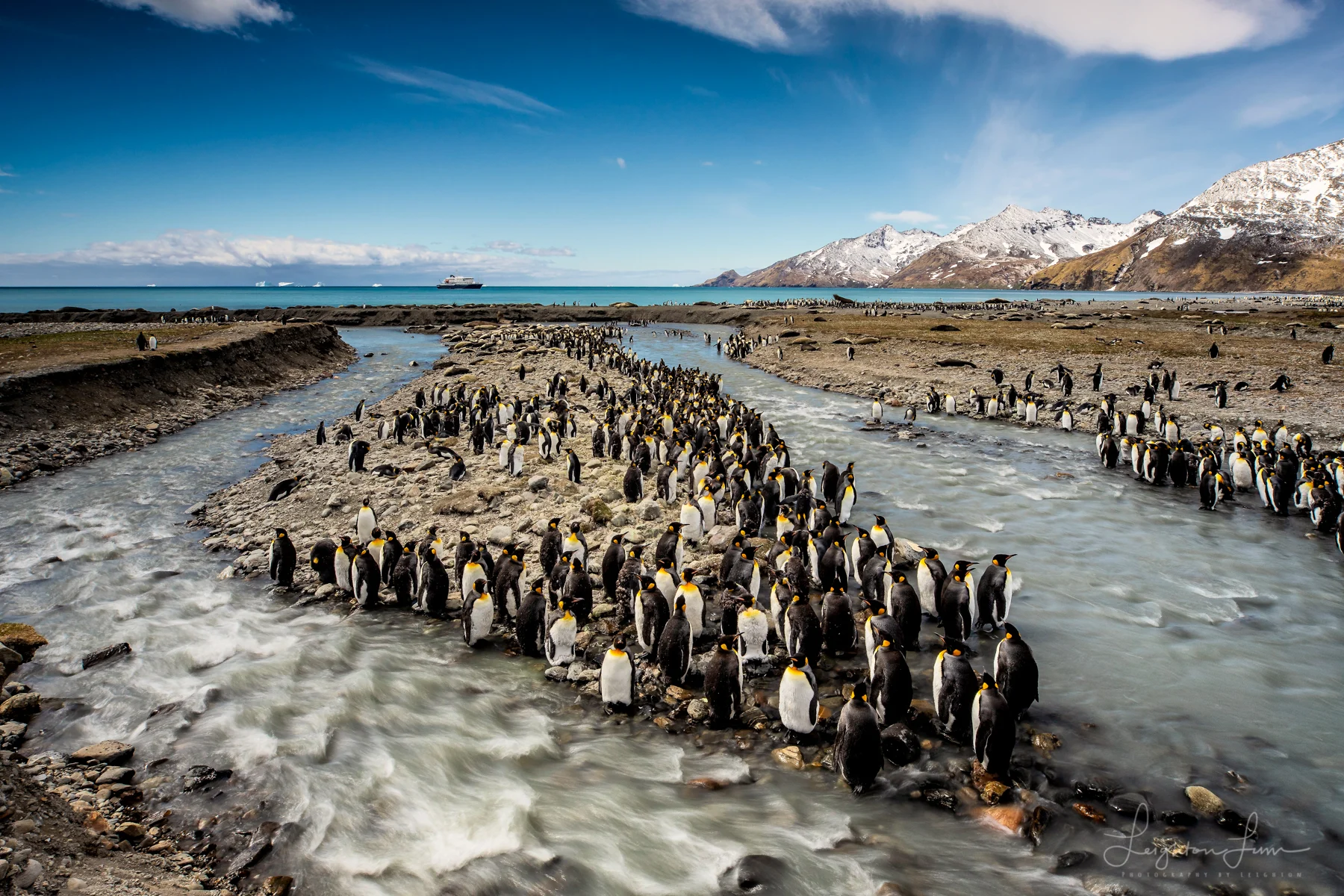
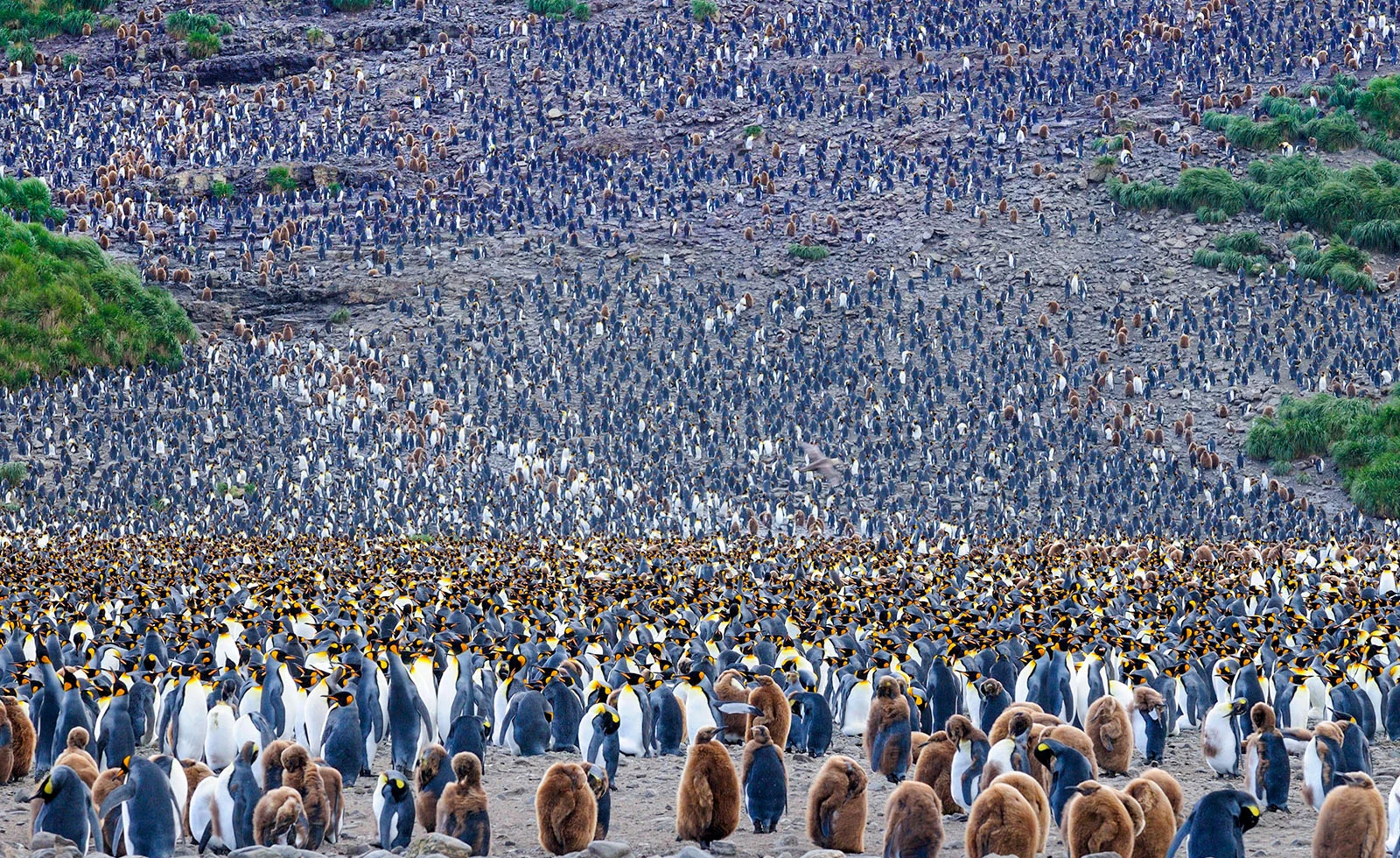
South Georgia. The wildlife spectacle of the trip. Salisbury Plain, St Andrews Bay and Gold Harbour hold the three largest king penguin colonies on the island and are among the world’s largest breeding beaches for Antarctic fur seals. By February the young fur seals are curious and playful, and elephant seals haul out to moult. At Fortuna Bay, seals and penguins pose against glacier-carved mountains, near the final leg of Shackleton’s crossing to Stromness. At Grytviken, king penguins wander a ruined whaling station and elephant seals nap in the streets. Weather here dictates the program — be ready to go when the call comes.
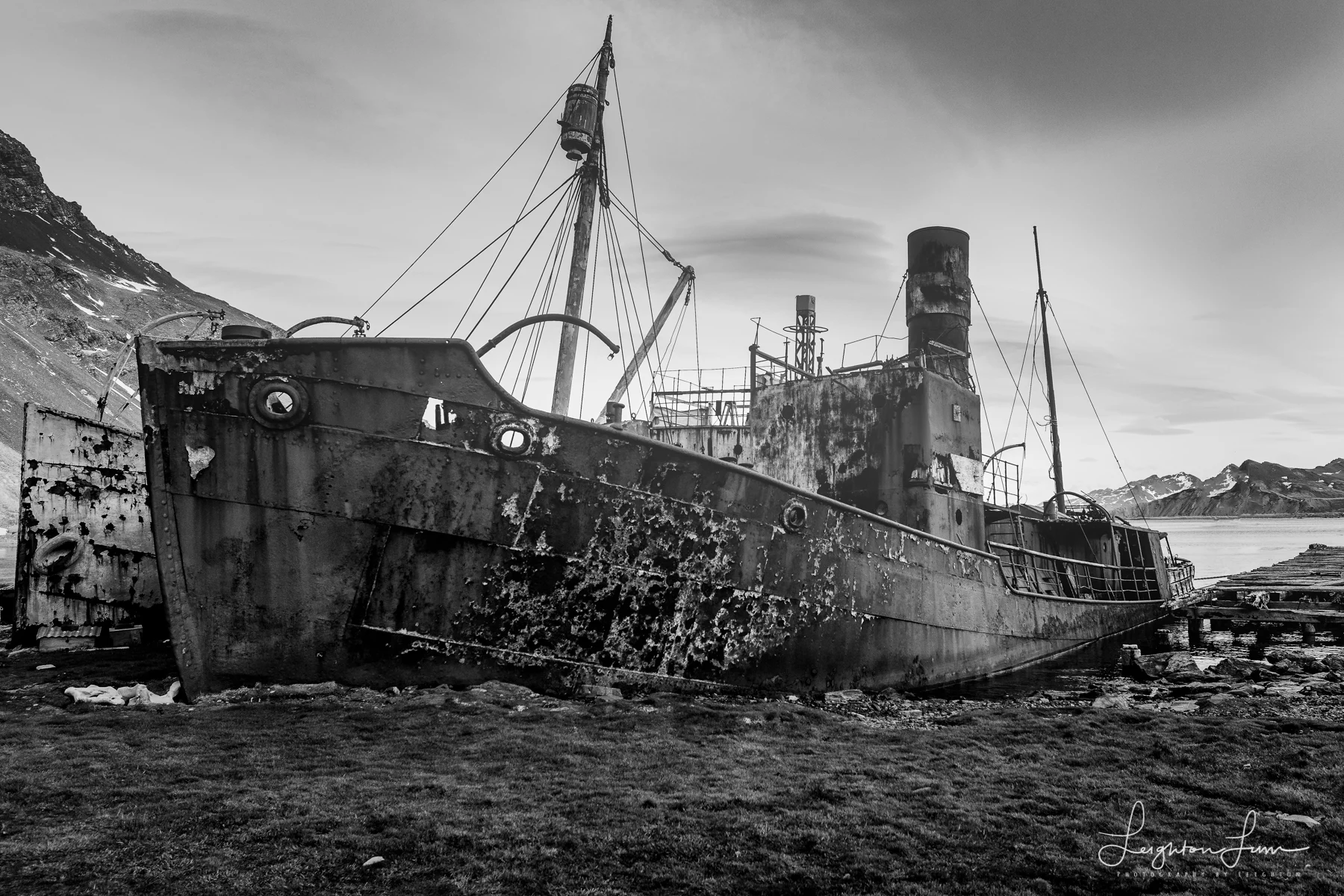
The South Orkney Islands. Remote and seldom visited. If conditions allow, we land at Orcadas Base on Laurie Island, with sweeping views of glaciers and sea, or at Shingle Cove on Coronation Island.
Elephant Island. Vertical rock, ice cliffs and relentless seas. If weather permits, we take the Zodiacs to Point Wild, where 22 of Shackleton’s men survived for months. Here you photograph a story as much as a landscape.
The Antarctic Sound and Brown Bluff. Colossal tabular icebergs mark the gateway to the Antarctic Peninsula — for many, this is the Antarctica of their dreams. A landing at Brown Bluff pairs dark volcanic cliffs with Adélie and gentoo penguins, and may be our chance to set foot on the continent.
The South Shetlands and Deception Island. Moody, misty and volcanic. The ship threads Neptune’s Bellows into a flooded caldera, where an abandoned whaling station, black-sand beaches and swirling cape petrels wait. Look for the interplay of steam, ash and snow.
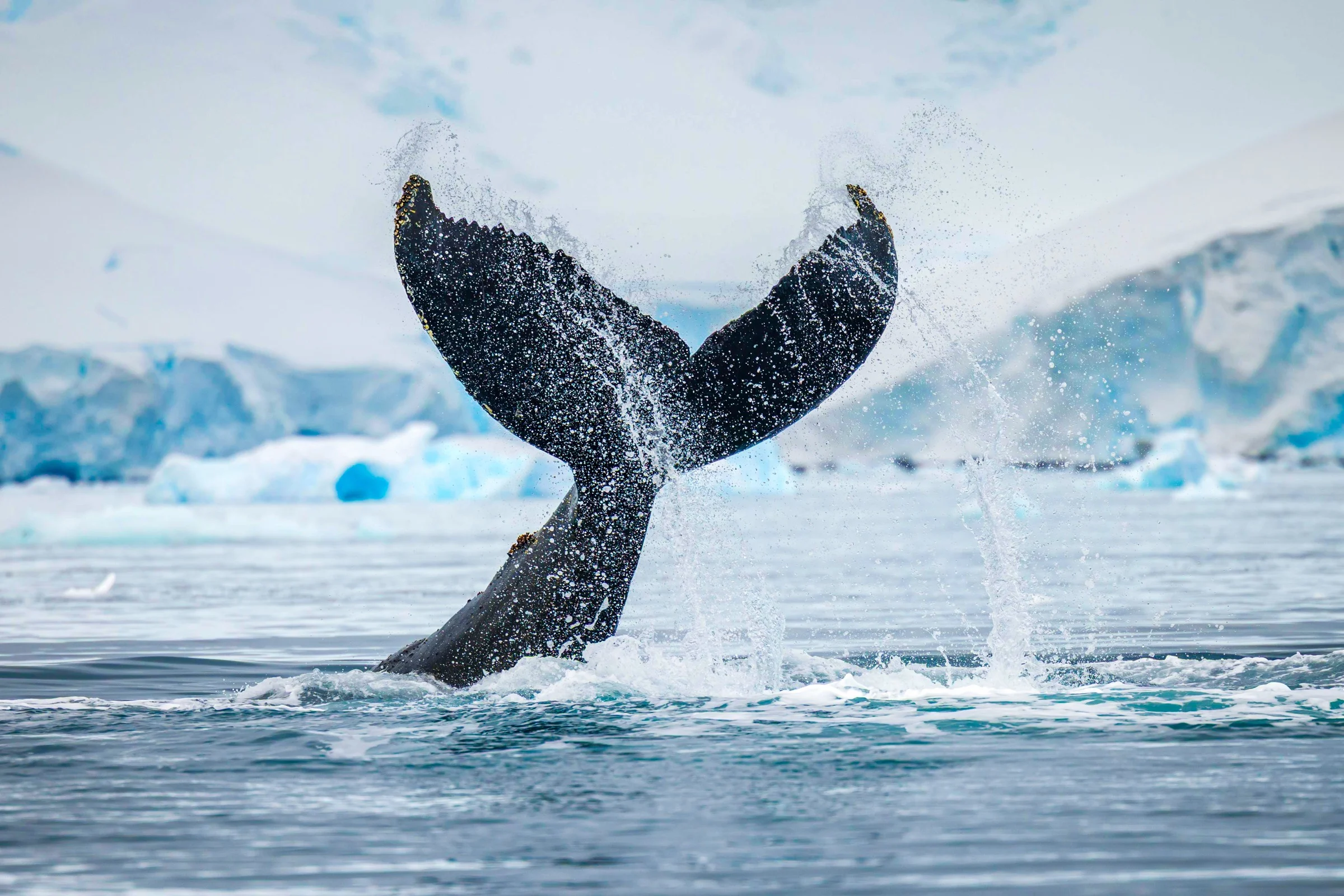
The Gerlache Strait, Neko Harbour and Paradise Bay. Snow-covered peaks, glacier faces and towering icebergs. Neko Harbour offers mountain reflections and close encounters with penguins and seals. In Paradise Bay, humpback and minke whales often surface among the ice — a lesson in motion and scale.
Below the Polar Circle. If ice allows, we push south across the Antarctic Circle to Crystal Sound, known for dense sea ice and ethereal light, and to lesser-traveled sites like Detaille Island, Pourquoi Pas Island and Horseshoe Island.
First-Timer Tips
- Shoot the sea days. The seabirds trailing the ship are some of the trip’s best subjects.
- Mix horizontals and verticals. Vary your framing with every subject.
- Keep your flash off — it rarely helps and disturbs wildlife.
- Review your images every day. Do your first selects on board; the mountain of images is far easier to manage when you get home.
- Be flexible. The landing you looked forward to may be swapped for one you never imagined. Some of the best pictures happen that way.
The rules above come from the Antarctic Treaty visitor guidelines, IAATO’s 2026–27 avian influenza protocols, the Government of South Georgia’s visitor procedures and Oceanwide Expeditions. Your expedition staff’s briefing on board always has the final word.