Practice With Your Pooch!
by Ken Lee
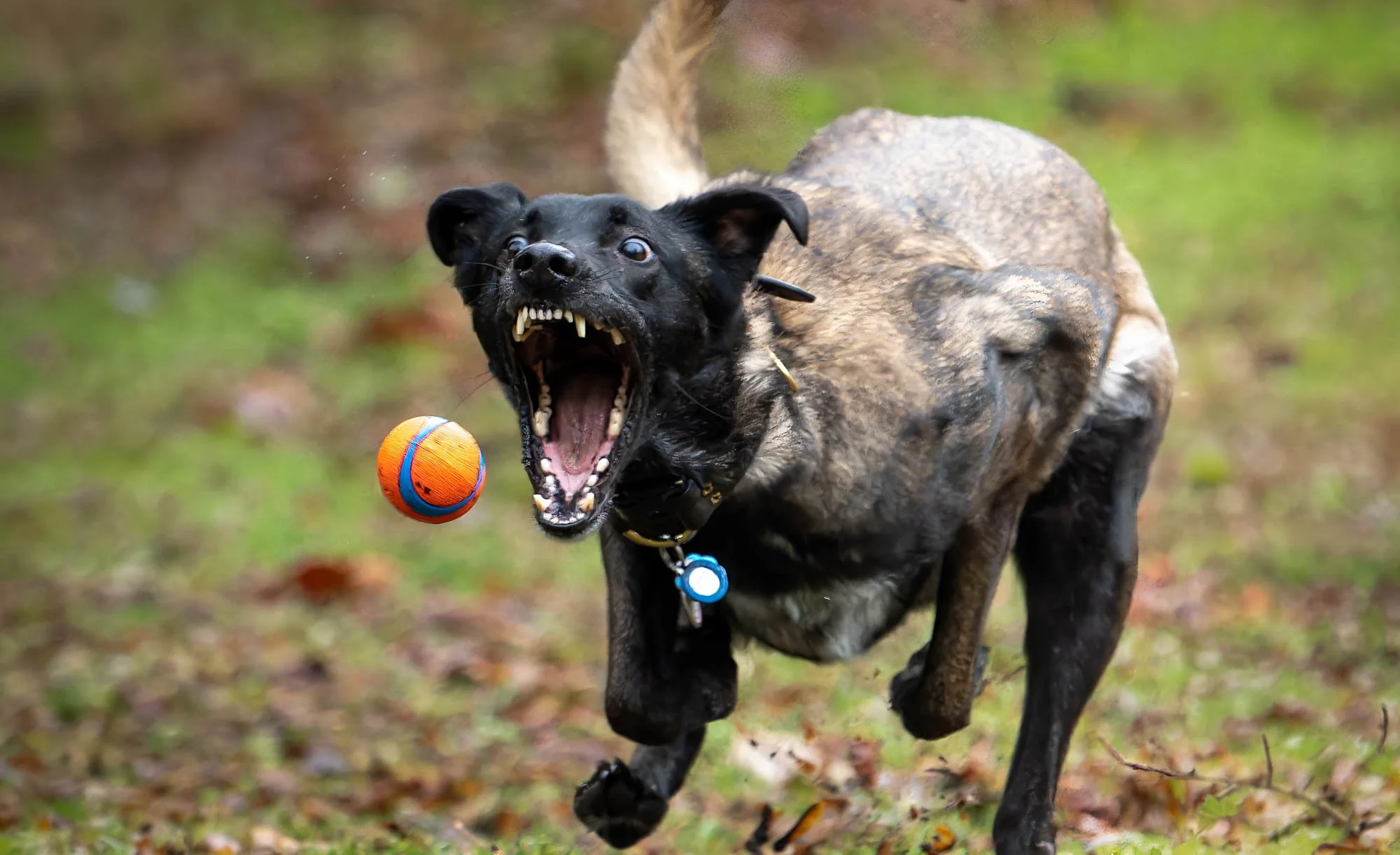
Meet Miss Maya, my beautiful pandemic pup! I'm her proud papa, but the reason I'm posting this picture is because it’s an example of "practicing with your pooch" — something that I encourage everyone to do to level up your wildlife photography game.
Being fluid with your camera's controls is especially important in wildlife photography. Ideally, you want to be able to manipulate your camera controls without ever taking your eye from the viewfinder. Practicing with your (or a friend’s) pup is a great way to build up the muscle memory that will increase your keeper rate in the field. Here are a few suggestions:
Bring a (human) friend who can throw a ball and keep your pup focused while you shoot.
Start out practicing back button focus and moving the focus point/box within the frame.
If your camera has Animal Eye Focus, turn it on. It's a game-changer when it works, so it's worth investing the time to master this feature. Notice how often and in which situations (head on, side view, distance, etc.) the camera picks up the dog's eyes and when it fails. Try using this feature in conjunction with various focus areas like Wide, Zone or Spot (single point).
When your dog is running fast, just try to keep her in the focus box while firing bursts with your shutter. Practice zooming while you're shooting to maintain composition or to avoid cutting off parts of your subject.
Practice adjusting exposure without taking your eye away from the viewfinder — learn which buttons and dials control ISO, shutter and aperture by feel.
If you've programmed any custom functions, make sure you know them well enough to access them without taking your eye away from the viewfinder.
When there's a break in the action, pay more attention to light, background and composition. Don't grow roots — move your feet to create a better shot.
If you're ready to level up, try the dog park. You don't even have to photograph your own dog. Ask the owner(s) first, but try shooting the most hyper pooches in the park.
Review your images — in the field and at home — and try to figure out what went wrong on the ones that didn't work out. Consider the images from an aesthetic/composition standpoint as well as their technical merits.
Who knew? Your best friend might make you a better photographer!