15mm for Wildlife Photography?
In our Africa workshops—and in just about every conversation we have about photographing wildlife—we’re always preaching one thing: get low. Getting down to the animal’s eye level transforms your photos. Suddenly, you’re no longer just a bystander; you’re in the scene. The background comes alive, the world feels bigger, and your subject feels more intimate, more powerful. It’s humbling and thrilling all at once—because when you’re eye to eye with a lion or a leopard, you realize who’s really in charge out there.
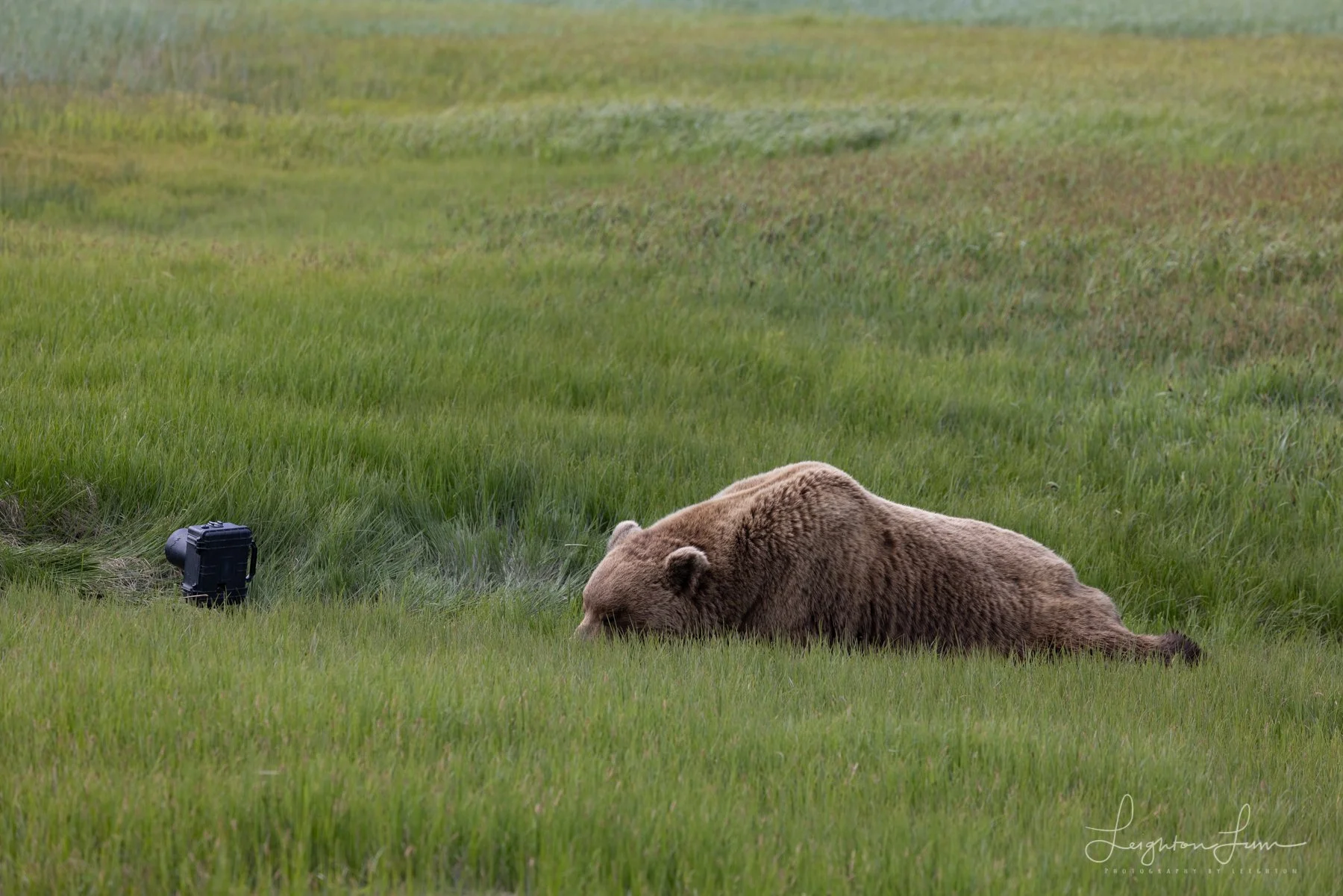
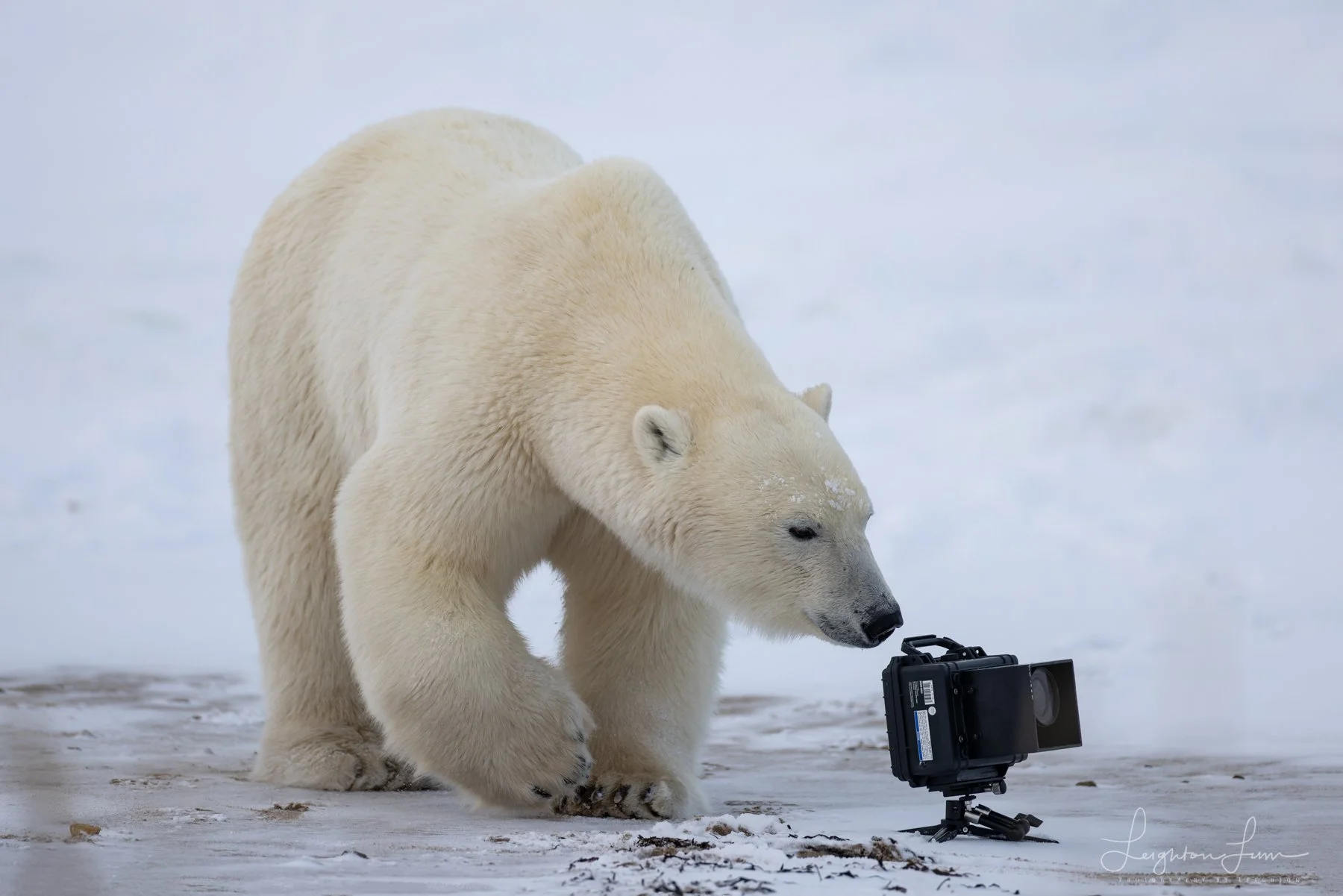
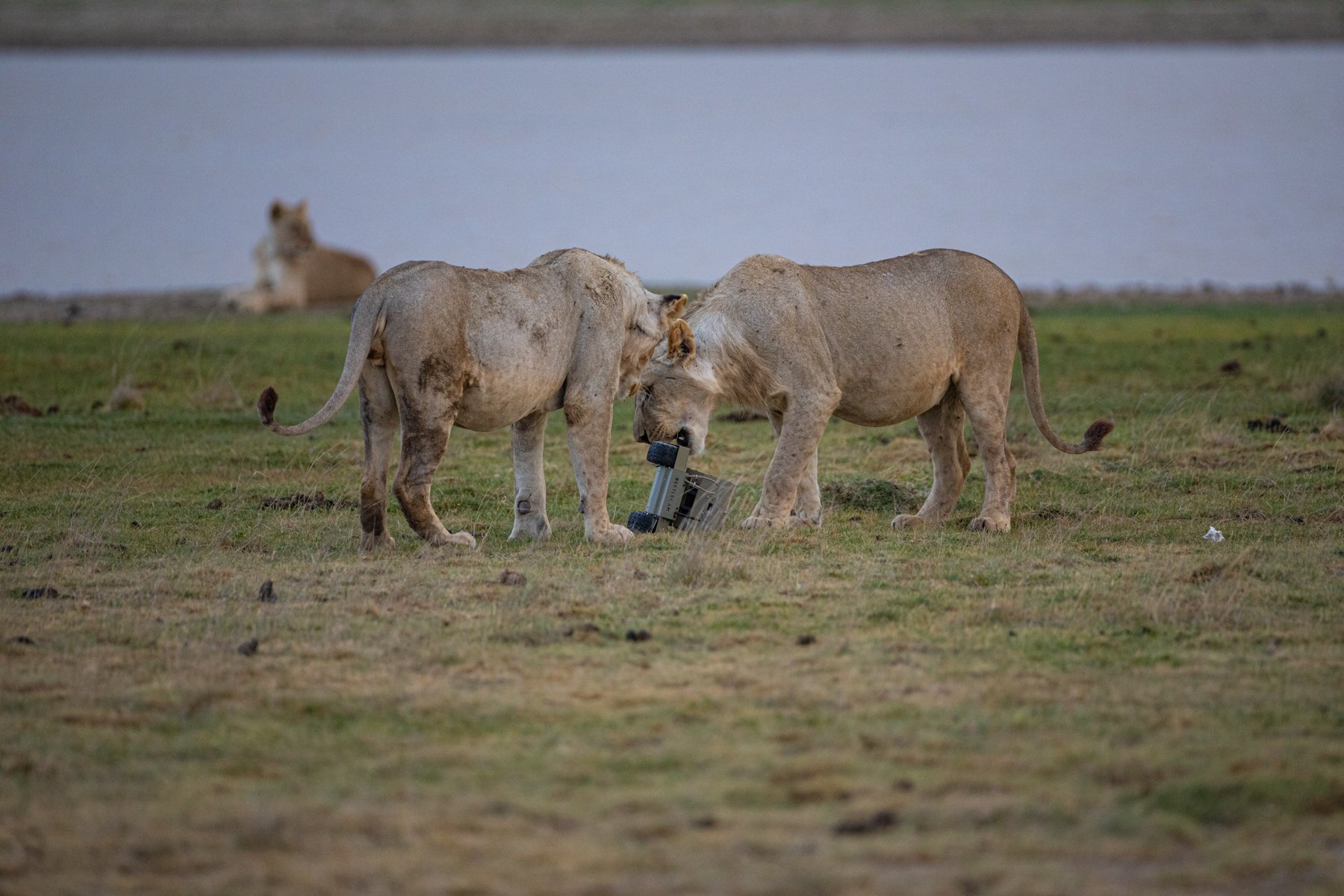
So… what if we took it a step further? What if we went wide? A wide-angle lens, say a 15mm, might not be the first thing that comes to mind for wildlife—but it can create some seriously jaw-dropping perspectives. When used creatively, a wide lens brings the environment and the animal together into one storytelling frame. You’re not just photographing the subject; you’re photographing the moment, the habitat, and the feeling of being there.
Now, before you crawl up to an elephant with a 15mm lens (please don’t), let’s talk about how to pull this off safely. Low wide-angle wildlife photography is where creativity meets engineering. Camera traps, wireless remotes, and even small remote-controlled vehicles can help you capture that ultra-close, wide perspective—without putting yourself in harm’s way. This is where photography turns into a bit of mad science: experimenting, adapting, and finding clever ways to make the impossible shot possible. It’s challenging, it’s exciting, and it’s the kind of photography that keeps you up at night thinking, what if I tried this next time…?
Of course, ethics always come first. Wide-angle wildlife photography demands patience, respect, and a deep understanding of your subject. Never chase, harass, or interfere with wildlife—ever. The animal’s safety (and comfort) must always come before the shot. Success comes from observing behavior, learning patterns, and working with a skilled guide who knows the local animals: which ones are bold, which are shy, and when it’s safe to approach. When you combine knowledge, patience, and a bit of luck, that’s when magic happens. The kind of once-in-a-lifetime image that stops people mid-scroll.
And finally—have fun. Stay safe. Don’t be afraid to fail (because, trust me, you will… a lot). The hit rate for this kind of photography is low. You might come home with 99 near-misses before you get the one. But when you do, it’s pure gold. Wide-angle wildlife photography is high-risk, high-reward, and absolutely worth it for those willing to push the boundaries. After all, if you’re not a little nervous, you’re probably not trying something new.