How Blue Balls Helped Me See the Light
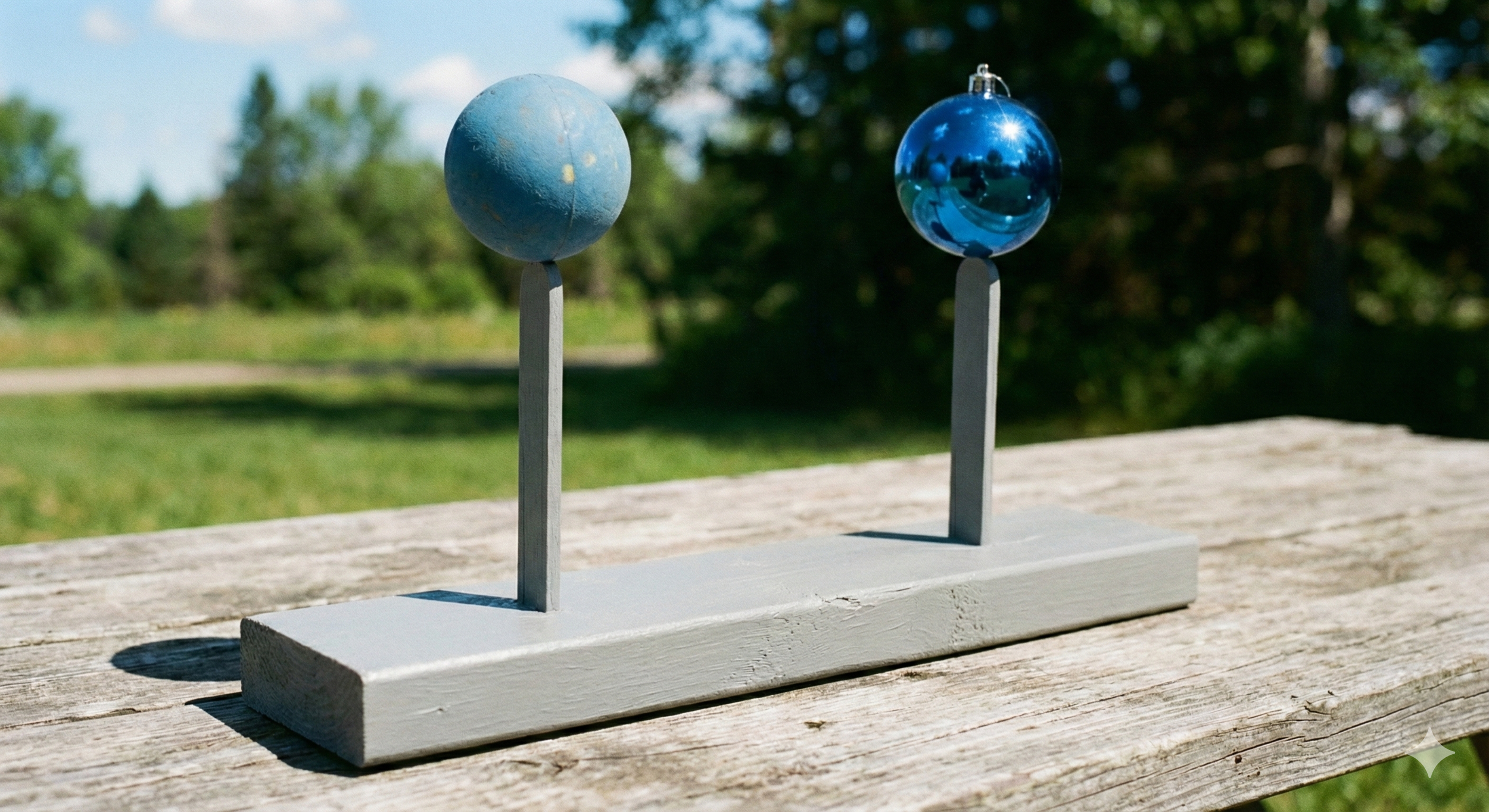
The infamous Brooks Institute Blue Balls
Sadly, my alma mater, the Brooks Institute of Photography, is no more. But while it existed, it was among the premier institutions of photography education. A few foundational assignments at Brooks achieved legendary status among the student body: The Grey Box. Black Glass. The Mission Shot. Each deceptively simple at first glance yet fiendishly designed to expose the slightest flaw in your understanding or execution.
One I’ll never forget—both because of what I learned and its title—was "The Blue Balls". Brooks instructors were crafty, but they also had a sense of humor.
Decades have blurred the details, but the core memory remains clear: carrying around a contraption made of a racquetball and a shiny blue Christmas ornament, mounted on rods and connected by a piece of 2x4.
Our task was to photograph this rig under various lighting conditions: full sun, cloudy days, open shade, window light, etc. Afterwards, we recorded our observations in another Brooks icon, the Comp book, describing in painful detail the qualities of the highlights, shadows and transitions.
Both balls were blue, hence the name, but their color had nothing to do with the point of the assignment. This odd rig was a lesson in paying attention. Admittedly, I didn’t appreciate the value of the exercise at the time – ok, my classmates and I thought it was Dumb with a capital D. But hindsight – as it so often does – has enlightened my perspective. Paying attention taught me to see beyond light and dark and notice the nuances of texture, transitions and mood.
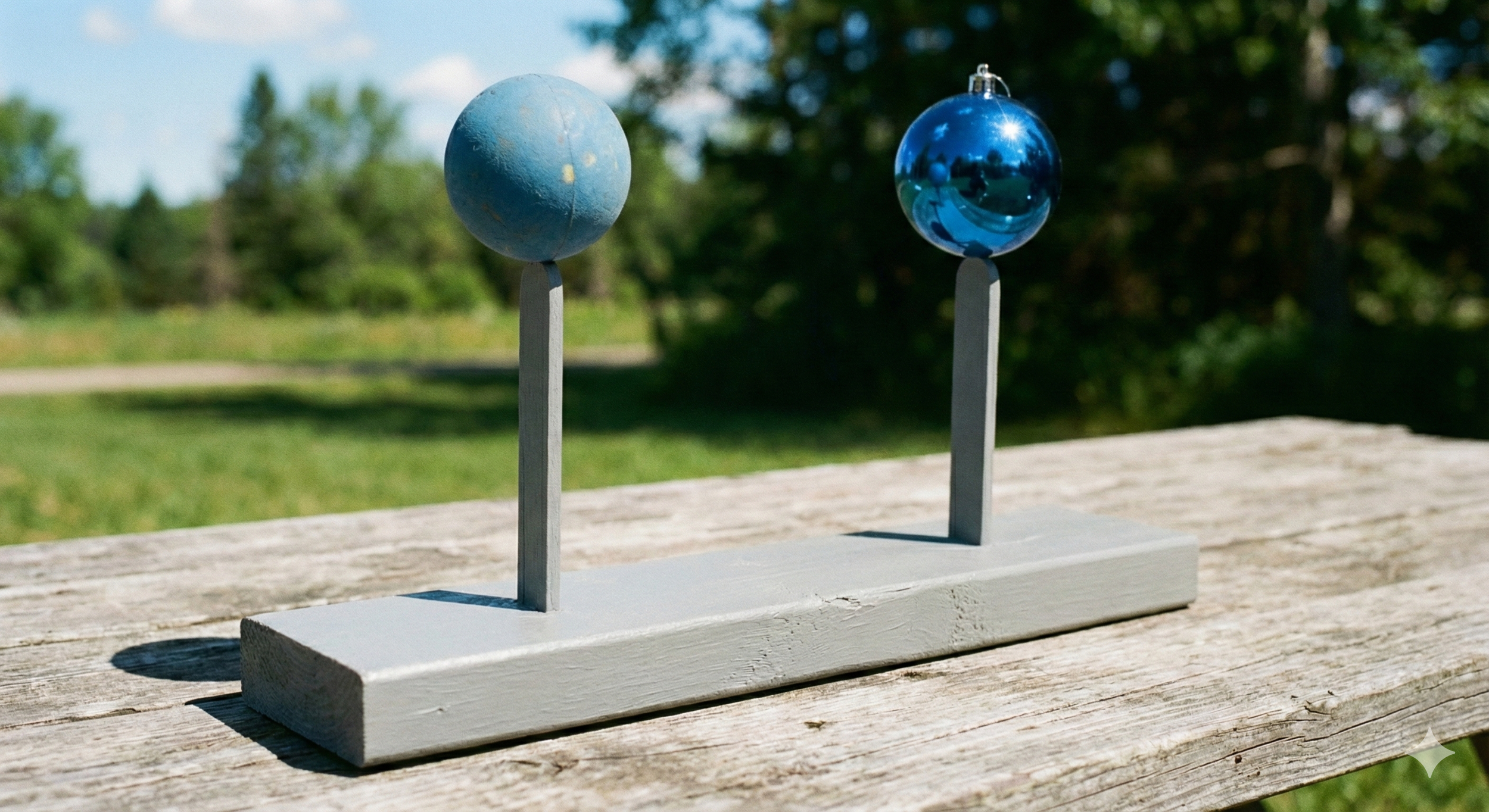
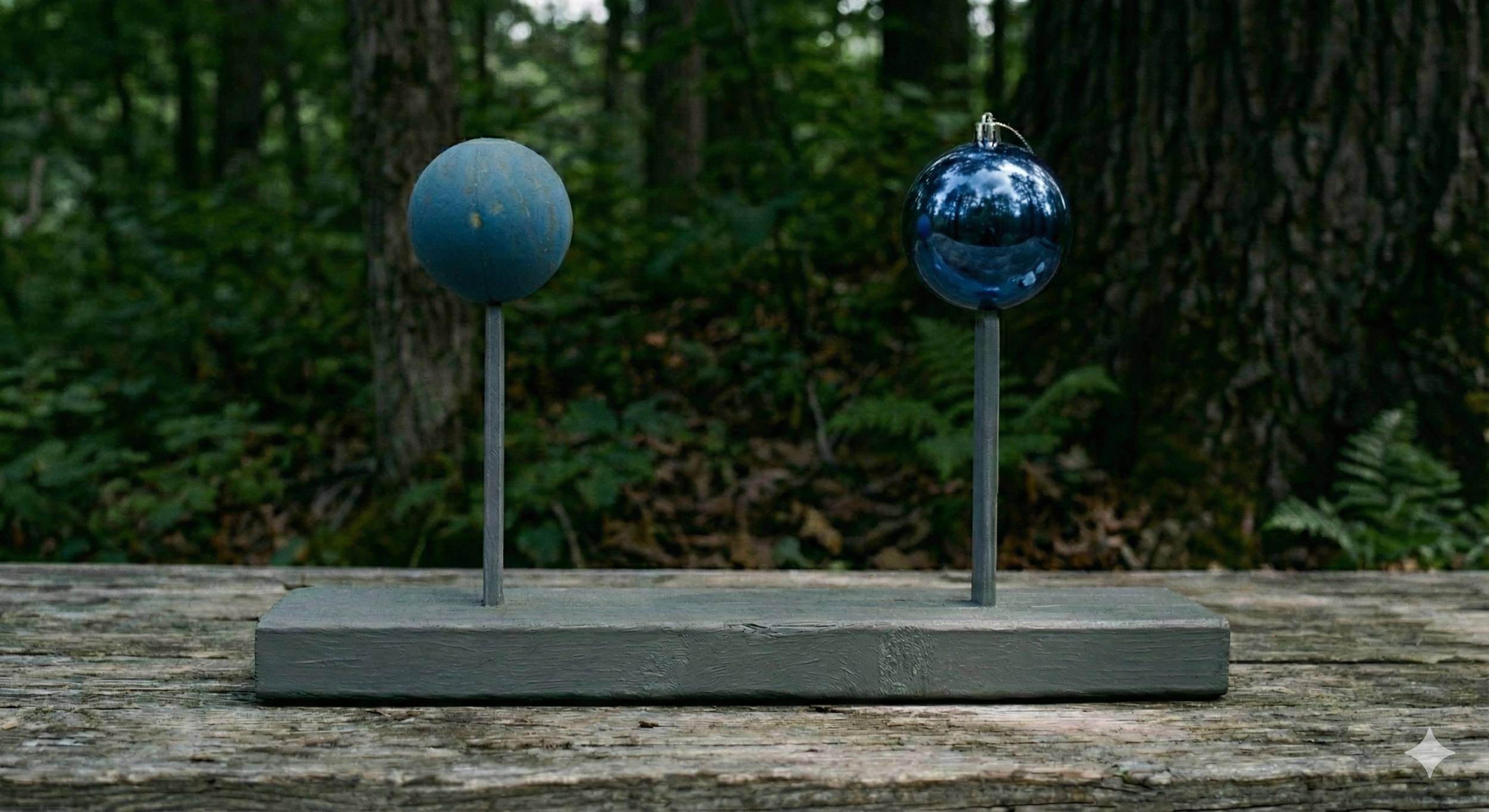
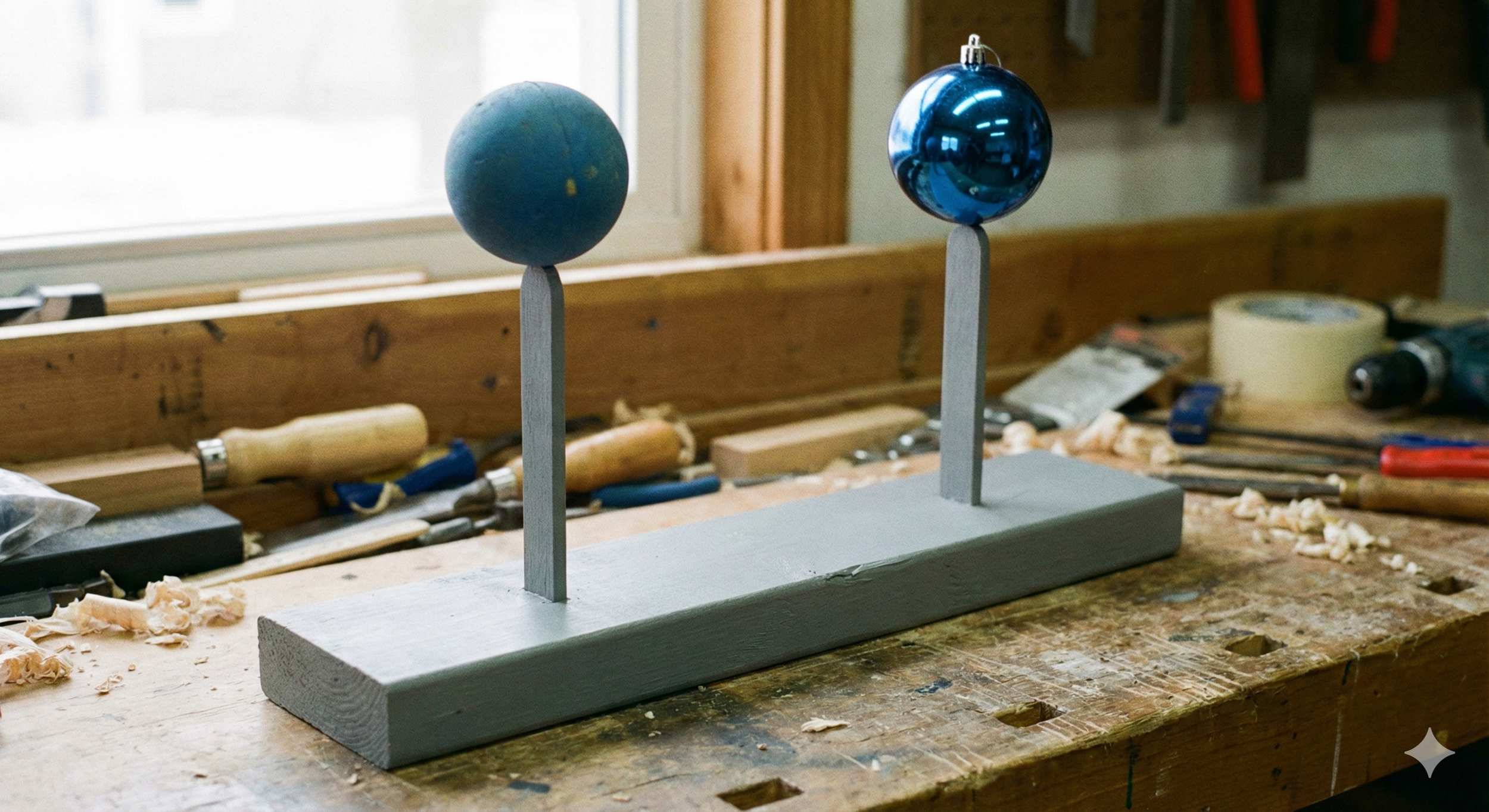
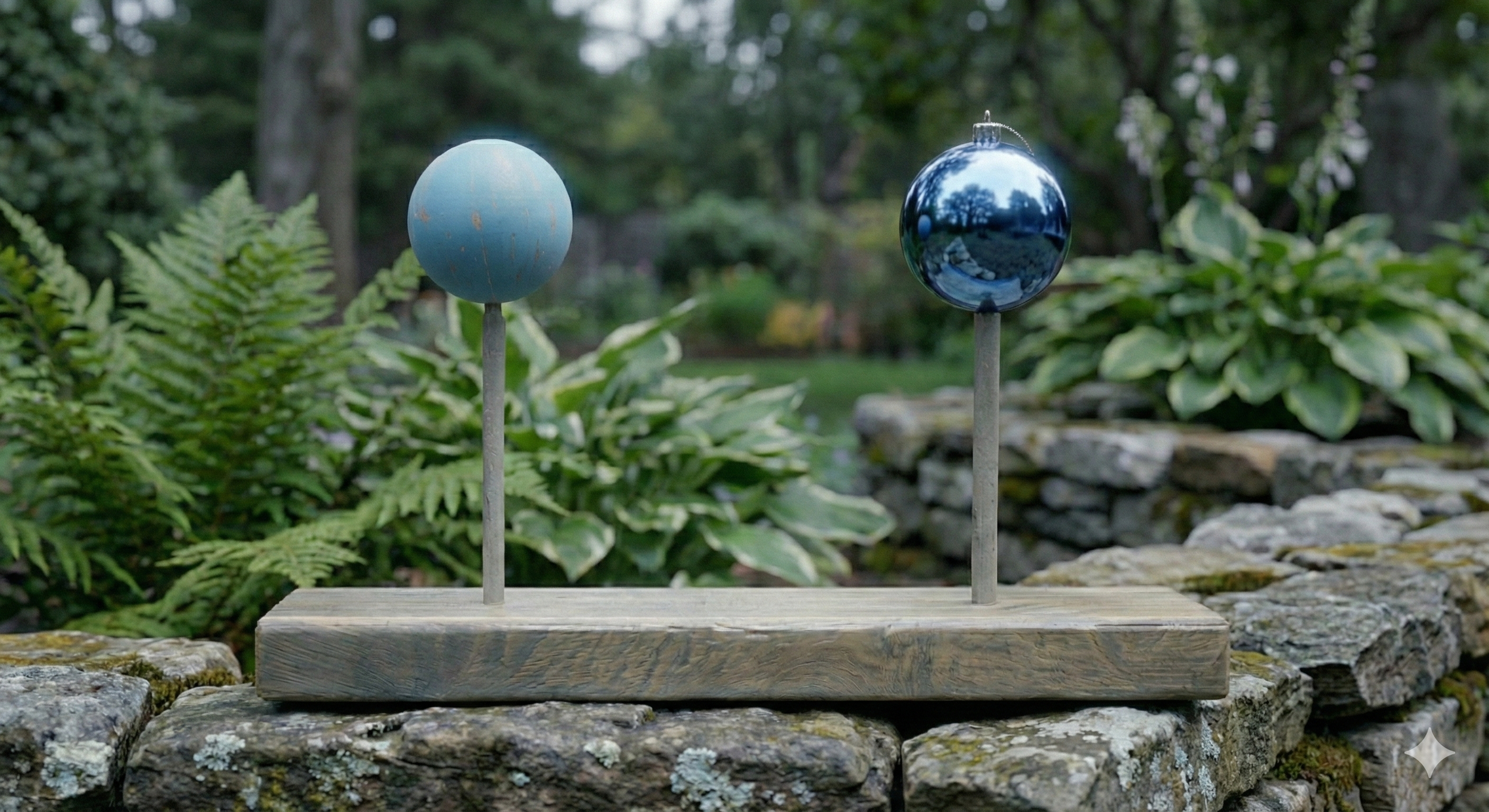
Blue balls in Sunlight, Shade, Window Light & Cloudy lighting. Photos: © Google Gemini?
Becoming a Connoisseur of Light
The more you study a subject, the more you become aware of its subtleties.
The average imbiber’s ‘tastes good’ is probably quite different than a sommelier’s experience of the tannins and terroir in a sip of fine wine. I’m no birder, but learning a few bird-watching basics expanded the world of ‘little brown birds’ to a universe of sparrows, juncos, and chickadees. Dentists can’t help noticing coffee-stained teeth and receding gums.
What’s your area of expertise? What do you see that a layperson never notices?
It’s the same with light – the more you observe, the more you pay attention, the more you see.
Brave New World
It’s embarrassing how long I’ve been meaning to write this article. So many distractions, so many excuses. So many hours searching for the exact shade of blue ornament of my memories. Procrastination is a wonderful thing! 🙄
But this time would be different. A trip to Home Depot for grey paint and dowels. Racquetballs and ornaments from Amazon. The writing would begin as soon as I built and photographed that Blue Balls contraption!
But then a sickening thought materialized: It's December...in western Washington – when would I see the next sunny day? Weeks, months? My grand publishing plans were evaporating like steam from a mug of Seattle coffee.
Suddenly, another thougt: What about AI?
All of the Blue Balls images in this article were generated by Google Gemini (techinically, Nano Banana) from a description I typed. What do you think? Did you suspect? Now that you know, can you tell?
Obviously, I think the AI “photographs” are usable for my purposes. The initial image Gemini produced is pretty much the exact picture I envisioned. But what really impressed me were the variations it came up with based on the different lighting conditions I described. There's no doubt Gemini understands the properties of light and how it reacts with different surfaces.
It made me think, is AI the ultimate tool for learning or teaching photography?
Is AI good or bad for photography, for humanity? A dream or a nightmare? These are questions for another time and a higher pay grade.
All I know is AI is here and we’re living in a Brave New World.
The Lexicon of Light
Learning the language and terminology of the subject you’re studying is always helpful.
Eye-line, rufous, and malar weren’t in my vocabulary before I started paying attention to birds but knowing these words helps me quickly distinguish similar species.
When it comes to light, some words photographers should be familiar with include:
Specular – hard light, the sun on a blue-sky day. It creates bright highlights, dark shadows, and sharp transitions. Models look good in hard light; soft light is more flattering for mere mortals. Grand landscapes in hard light rarely inspire, they just make you want to squint.
Specular can also refer to the shiny surface quality of things like the Christmas ornament, cars, jewelry, or a still mountain lake. The key to photographing specular objects is understanding you’re really photographing the reflection. That's why your car looks amazing after a wash—you're really admiring how well it reflects the world around it.
Diffuse – soft light, cloudy days or shade. Diffuse lighting results in less contrast, softer transitions. Window light is considered diffuse as long as the sun isn’t streaming directly through it. It’s a portrait photographer's secret weapon and why we see so many Instagram shots by the café window.
Ready to take off the training wheels? Seeing the subtleties of Contrast & Color is where even experienced photographers often struggle, especially when it comes to post processing their images. My fellow Brookies & I were ‘blessed’ with merciless instructors and endless repetition. But we lacked the benefit of YouTube and the instant feedback of digital photography. You don’t need a formal education in photography to learn these lessons. But you do need to pay attention…and practice.
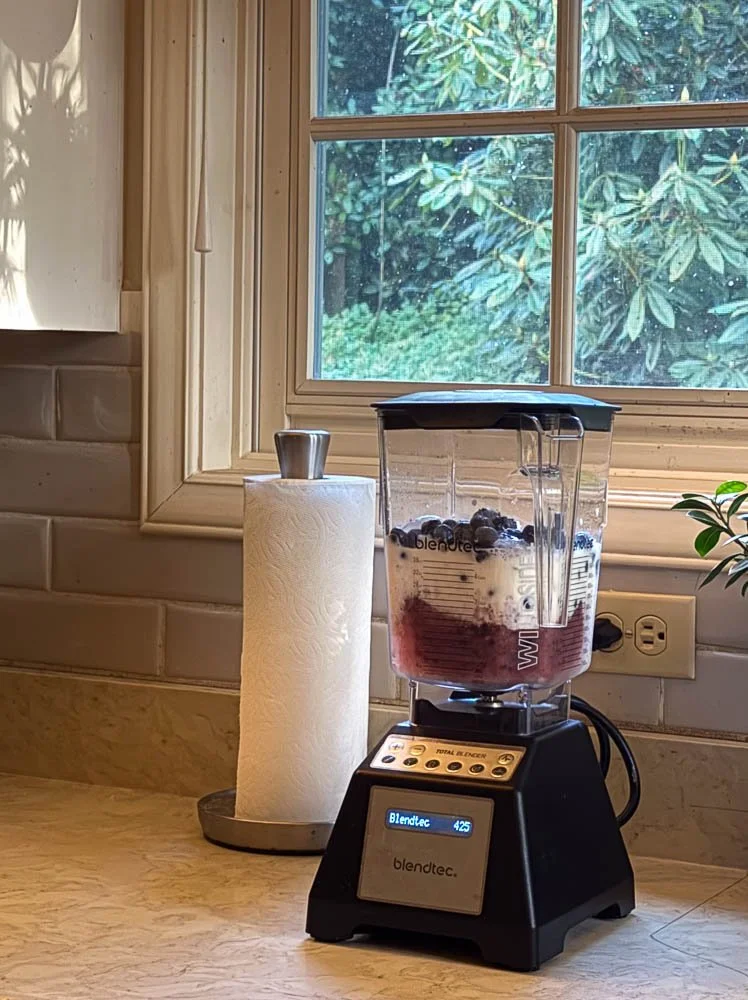
Your Teacher Awaits
Lessons From Your Kitchen Blender
I’d love for you to join us on one our photography adventures, but the truth is you don’t need to go anywhere to learn about light. After all, light is everywhere. You don’t even need a camera. You just need to pay attention.
I can’t help noticing whether its finches or towhees visiting our feeder nor the way the light falls on the face of the person I’m talking to nor the choices the cinematographer made in the movie I’m watching.
You might notice the beautiful way the early light illuminates the blender you use to make your morning smoothie.
Will noticing make you a better photographer? I think so, but what I can promise is that noticing light will make your life experience richer. It’s what I call the Gift of Seeing. But that’s another topic for another time.
So start small. Take a moment to notice the light in your kitchen (or bedroom or backyard) tomorrow morning. That's your Blue Balls assignment.
Try it, you’ll See. 😉